Low Maintenance Backyard Ideas: 15 Smart Ways To Build A Beautiful Yard That Practically Takes Care Of Itself
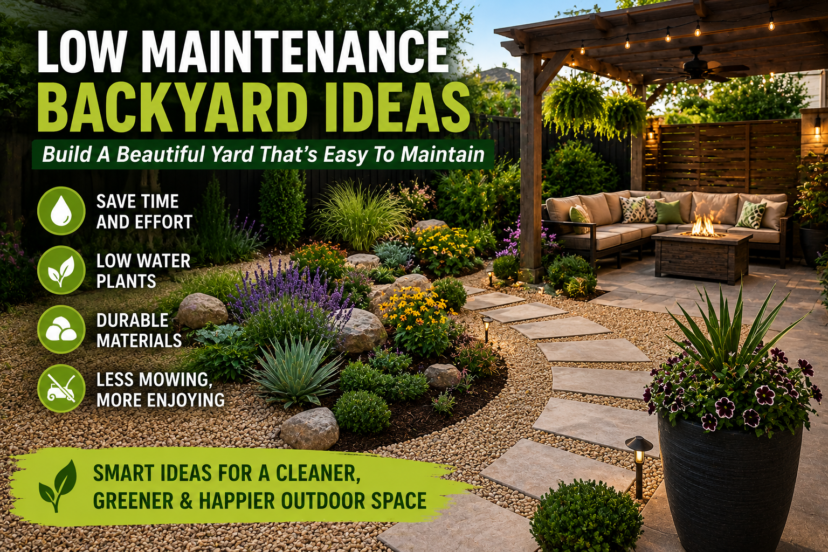
Low Maintenance Backyard Ideas That Help You Build A Beautiful Yard With Less Work
A backyard should be a place to relax—not another full-time job. Yet many homeowners spend countless weekends mowing, watering, pulling weeds, trimming shrubs, and replacing plants that never seem to thrive. If you’re looking for a smarter way to enjoy your outdoor space, you’re not alone.
The good news is that creating a beautiful yard doesn’t require constant maintenance or expensive landscaping crews. With thoughtful planning and a few strategic upgrades, you can build an outdoor space that looks great while requiring far less time, money, and effort to maintain.
The best low maintenance backyard ideas focus on working with nature instead of constantly fighting against it. Choosing durable materials, water-wise plants, and practical outdoor features can dramatically reduce your workload while making your backyard more comfortable and enjoyable year-round.
Whether you’re updating a small suburban yard or redesigning a larger property, these ideas can help you create a cleaner, smarter, and easier outdoor living space.
Quick Answer: Low Maintenance Backyard Ideas
The best low maintenance backyard ideas include drought-tolerant plants, mulch, decorative rock, native landscaping, drip irrigation, hardscaping, smart irrigation systems, and reducing lawn size. These upgrades minimize watering, mowing, weeding, and ongoing maintenance while keeping your backyard attractive throughout the year.
Key Takeaways
Most likely cause: A high-maintenance yard usually comes from large lawn areas, thirsty plants, frequent weeding, and landscaping features that require regular trimming, watering, or upkeep.
Usually serious? No. It is mainly a time, cost, and convenience issue, but excessive watering and maintenance can make your backyard more expensive and difficult to manage.
First thing to check: Look for the parts of your yard that consume the most time and resources, such as lawn areas that need frequent mowing, plants requiring constant watering, or garden beds where weeds quickly return.
Best solution: The most effective low maintenance backyard ideas combine smaller lawn areas, native or drought-tolerant plants, mulch or decorative rock, durable hardscaping, and efficient drip or smart irrigation to create an attractive yard with less ongoing work.
🌿 Why Low Maintenance Backyard Ideas Save Time And Money
Many traditional landscapes require:
- Weekly mowing
- Frequent watering
- Regular fertilizing
- Constant weeding
- Seasonal replanting
By designing a low-maintenance yard from the beginning, you can reduce these repetitive tasks while lowering long-term landscaping costs.
Benefits include:
- ✔ Lower water bills
- ✔ Less weekend yard work
- ✔ Reduced fertilizer use
- ✔ Fewer weeds
- ✔ Lower maintenance expenses
- ✔ Better drought resistance
- ✔ More time enjoying your backyard
🌼 Choose Low-Maintenance Backyard Plants
Plants are the foundation of every landscape.
Choosing the right varieties makes all the difference.
Look for plants that are:
- Native to your region
- Drought tolerant
- Disease resistant
- Slow growing
- Long-lived
Excellent choices include:
- Lavender
- Coneflowers
- Black-Eyed Susans
- Sedum
- Ornamental grasses
- Boxwood
- Juniper
- Hostas (for shade)
These plants require much less watering and pruning than many traditional landscape favorites.
💧 Install Smart Irrigation
Watering efficiently saves both money and maintenance.
Modern irrigation upgrades include:
- Smart irrigation controllers
- Drip irrigation
- Rain sensors
- Soil moisture sensors
- Pressure-regulated sprinkler heads
These systems water only when necessary, helping prevent waste while keeping plants healthy.
Many homeowners recover the investment through lower water bills over time.
🌱 Replace Some Lawn With Landscaping
Large lawns often require the most maintenance.
Instead of maintaining grass everywhere, consider replacing portions with:
- Mulched planting beds
- Decorative gravel
- Native gardens
- Ground covers
- Pollinator gardens
- Outdoor seating areas
Reducing lawn size means less mowing, watering, edging, and fertilizing.
🪨 Use Decorative Rock In Problem Areas
Decorative stone provides an attractive, long-lasting alternative to mulch in certain locations.
Common uses include:
- Around downspouts
- Side yards
- Slopes
- Dry creek beds
- Walkway borders
Popular materials include:
- River rock
- Pea gravel
- Crushed stone
- Lava rock
Unlike mulch, decorative rock doesn’t need frequent replacement.
🍂 Add Mulch To Reduce Maintenance
Mulch is one of the easiest ways to simplify yard care.
Benefits include:
- Reduces weeds
- Retains soil moisture
- Improves soil health
- Protects plant roots
- Gives beds a finished appearance
Apply 2 to 3 inches of mulch around shrubs, trees, and flower beds for the best results.
🌳 Plant Shade Trees Strategically
Trees provide much more than beauty.
They can also:
- Reduce lawn stress
- Lower soil temperatures
- Reduce evaporation
- Cool patios
- Increase outdoor comfort
Native or climate-adapted trees often require less maintenance once established.
Proper placement can also improve your home’s energy efficiency by providing summer shade.
🏡 Build Functional Outdoor Living Spaces
One of the smartest low maintenance backyard ideas is replacing high-maintenance landscaping with usable living space.
Consider adding:
- Patios
- Pergolas
- Fire pit areas
- Gravel seating spaces
- Outdoor kitchens
- Paver walkways
Hardscaping requires very little routine maintenance while increasing the amount of usable outdoor space.
🌾 Group Plants By Water Needs
Professional landscapers often organize landscapes using hydrozoning.
This means placing plants with similar watering requirements together.
For example:
Low-Water Zone
- Lavender
- Sedum
- Native grasses
Moderate-Water Zone
- Hydrangeas
- Hostas
- Coral Bells
This simple strategy improves irrigation efficiency and prevents overwatering.
🌎 Improve Soil Naturally
Healthy soil requires less maintenance.
Simple improvements include:
- Adding compost
- Leaving grass clippings after mowing
- Using organic mulch
- Avoiding unnecessary tilling
- Aerating compacted lawns
Better soil holds water longer and supports healthier plants with less fertilizer.
☀️ Keep Maintenance Simple Year-Round
Consistency prevents bigger problems later.
Easy seasonal habits include:
Spring
- Refresh mulch
- Inspect irrigation
- Remove winter debris
Summer
- Water deeply when needed
- Pull small weeds early
- Trim damaged growth
Fall
- Divide perennials
- Clean gutters
- Add compost
Winter
- Protect young plants
- Plan future landscape improvements
Small seasonal tasks are much easier than major cleanups.
💲 Budget-Friendly Low Maintenance Backyard Ideas
Creating an easier yard doesn’t have to be expensive.
Affordable upgrades include:
- DIY mulch installation
- Rain barrels (where permitted)
- Recycled stone edging
- Solar landscape lights
- Native plant sales
- Homemade compost
- Gravel pathways
Start with one improvement at a time and gradually build your ideal outdoor space.
👷 When To Consult A Professional
Many backyard improvements are DIY-friendly, but some projects benefit from professional expertise.
Consider hiring a landscaper, irrigation specialist, or contractor if:
- Your property has drainage problems.
- Large retaining walls are needed.
- You want to install irrigation systems.
- Mature trees require removal.
- Significant grading is necessary.
- Outdoor electrical work is involved.
- Large patios or hardscapes require specialized equipment.
Professional guidance can help prevent costly mistakes while ensuring long-term durability.
❓ FAQs: Low Maintenance Backyard Ideas
1. What is the easiest type of backyard to maintain?
Backyards with native plants, mulch, decorative stone, reduced lawn areas, and smart irrigation systems generally require the least maintenance.
2. How can I reduce mowing?
Replace portions of your lawn with planting beds, patios, gravel, or drought-tolerant landscaping.
3. Which plants require the least maintenance?
Lavender, ornamental grasses, sedum, coneflowers, boxwood, and many native plants are excellent low-maintenance choices.
4. Is mulch better than decorative rock?
Both have advantages. Mulch improves soil health, while decorative rock lasts longer and works well in drainage areas.
5. How often should low-maintenance landscaping be watered?
Most established drought-tolerant plants need far less frequent watering than traditional landscapes, although needs vary by climate and season.
6. Can low-maintenance landscaping increase home value?
Yes. Attractive, well-designed outdoor spaces with lower maintenance requirements can improve curb appeal and appeal to many homebuyers.
7. Where should I start if my yard needs a complete makeover?
Begin by improving one section at a time. Replacing high-maintenance areas with easy-care landscaping allows you to spread costs while seeing immediate improvements.
🎯 Final Thoughts On Low Maintenance Backyard Ideas
Creating a beautiful backyard doesn’t mean signing up for endless weekends of mowing, watering, and weeding. The best low-maintenance backyard ideas focus on smart design choices that reduce ongoing work while making your outdoor space more comfortable, attractive, and enjoyable.
By choosing drought-tolerant plants, reducing lawn areas, improving irrigation, adding mulch, and creating functional outdoor living spaces, you can build a yard that works with your lifestyle instead of creating more chores.
Remember, you don’t have to transform your entire property overnight. Start with one project, enjoy the results, and continue making improvements over time. Every small upgrade moves you closer to a backyard that’s easier to maintain—and much more rewarding to enjoy.
Disclaimer: This article is for general informational purposes only. Plant selection, irrigation needs, and landscaping practices vary by USDA Hardiness Zone, local climate, soil conditions, and municipal regulations. Always follow local guidelines and manufacturer instructions when installing landscape features or irrigation systems.
 Explore more: