Does My Yard Need Regrading? 9 Warning Signs And How To Fix Drainage Problems
Key Signs Your Yard Needs Regrading
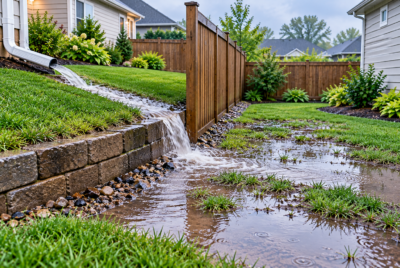
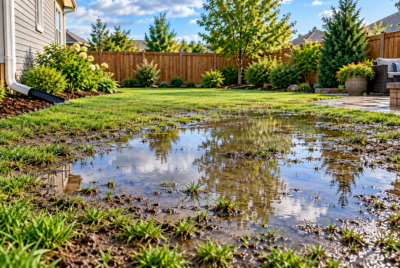
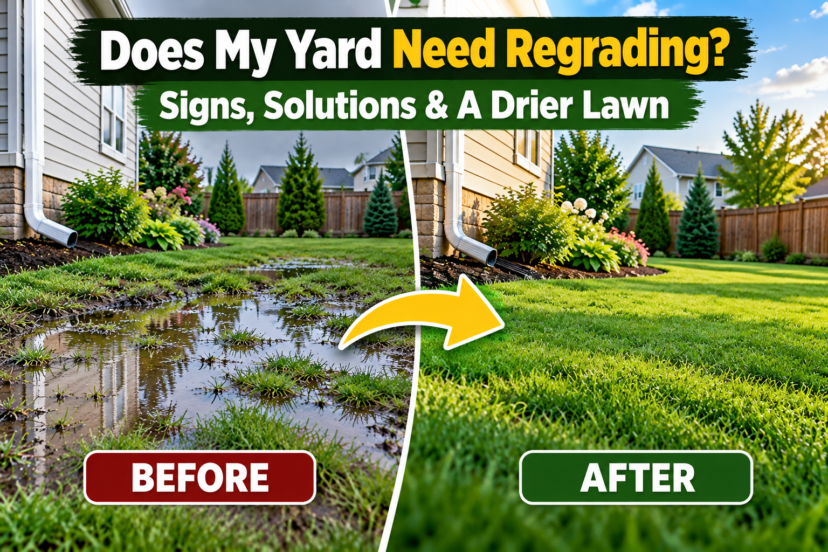
Have you noticed puddles forming in the same places after every rainstorm? Maybe your lawn stays muddy for days, water collects near your foundation, or certain areas of your backyard seem lower than they used to be. If you’ve been asking yourself, “Does my yard need regrading?” you’re already taking an important step toward protecting your property and improving your outdoor space.
Yard grading determines how rainwater moves across your property. When the ground slopes in the wrong direction or develops uneven areas, water can collect where it shouldn’t.
The good news is that not every drainage problem requires major landscaping work. Sometimes, filling a shallow depression, improving compacted soil, or redirecting a downspout can solve the issue.
The key is knowing when a simple repair is enough and when reshaping the ground is the smarter long-term solution.
Let’s look at the warning signs, easy tests, and practical options that can help you make the right decision without wasting money.
💧 Quick Answer: Does My Yard Need Regrading?
Your yard may need regrading if water repeatedly pools near your foundation, flows toward your house, collects in large depressions, or remains trapped because the ground slopes in the wrong direction.
Other warning signs include erosion, uneven soil settlement, and persistent muddy areas.
However, standing water doesn’t always mean regrading is necessary. Compacted soil, clogged drains, and poorly positioned downspouts can create similar problems.
Start by observing water movement during rainfall and checking the slope before planning major landscaping work.
Key Takeaways
Most Likely Cause: Uneven ground, improper slope, soil settlement, or surface runoff collecting in low areas.
Usually Serious? Not always. However, poor grading near a foundation can contribute to moisture damage and expensive repairs.
First Thing To Check: Watch where rainwater flows and whether the ground slopes toward or away from your home.
Best Solution: If you’re wondering, “Does my yard need regrading?” first determine whether the problem comes from the shape of the land. Small depressions may need filling, while larger slope problems may require professional regrading.
🔍 9 Warning Signs Your Yard May Need Regrading
Some grading problems are easy to recognize. Others develop gradually over several years.
Here are nine signs worth investigating.
1. Water Pools Near Your Home’s Foundation
One of the clearest warning signs is rainwater collecting beside your house.
Ideally, the ground immediately around your foundation should direct surface runoff away from the structure.
When water repeatedly gathers against foundation walls, moisture may enter basements or crawl spaces.
What To Check: Look for puddles, wet soil, or water flowing toward the house during rainfall.
Persistent foundation-area pooling deserves prompt attention.
2. Large Puddles Remain After Rain
A small puddle after a major storm isn’t necessarily a problem.
However, water that repeatedly collects in the same area and remains for more than 24–48 hours after ordinary rainfall may indicate poor drainage.
If the depression has no suitable outlet, regrading could help.
3. Your Lawn Has Noticeable Low Spots
Soil can settle over time, especially around recently constructed homes or areas where underground trenches were filled.
These depressions may trap runoff and create muddy patches.
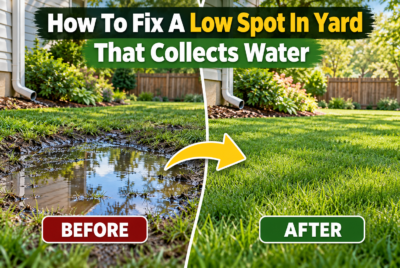
Small low spots can often be repaired with screened topsoil and grass seed.
Larger depressions may require reshaping the surrounding ground.
4. Water Flows Toward Your House
Stand outside during moderate rainfall and observe the direction of runoff.
If water moves toward your foundation instead of away from it, your yard may have negative grading.
This is one of the strongest reasons to investigate regrading.
5. You Notice Soil Erosion
Small channels, exposed roots, washed-away mulch, and displaced soil can indicate concentrated surface runoff.
Regrading may help distribute or redirect water, although swales, erosion-control materials, or drainage systems may also be needed.
6. Your Backyard Stays Muddy
A constantly muddy backyard may indicate trapped surface water.
However, clay-heavy soil and compaction can create similar conditions even when the ground slopes correctly.
Check soil infiltration before assuming regrading is the answer.
7. Water Collects Around Patios Or Walkways
Patios and walkways should be designed to drain water safely.
If water collects along their edges, the surrounding grade may have changed.
Minor soil adjustments may help, but significant settlement or poorly sloped paving may require professional correction.
8. Your Yard Has Uneven Settling
Newer properties sometimes experience soil settlement after construction.
Filled areas may gradually sink, creating depressions or changing drainage patterns.
If settling continues, investigate the underlying cause before adding more soil.
9. Drainage Problems Keep Returning
Perhaps you’ve already filled puddles, aerated the lawn, or installed downspout extensions.
If water continues collecting in the same areas, the overall yard slope may be part of the problem.
Repeated temporary repairs can become more expensive than addressing the underlying grading issue.
📏 How To Check Your Yard’s Slope Before Regrading
You don’t need professional surveying equipment to make a basic assessment of your yard.
A few simple tools can help you understand how the ground slopes.
Step 1: Observe Your Yard During Rain
Look for water moving toward buildings, collecting in depressions, or crossing walkways.
Take photographs so you can compare conditions after different storms.
Step 2: Use A String And Line Level
For a basic slope check, you’ll need two stakes, string, a line level, and a measuring tape.
-
Place One Stake Near The Starting Point.
-
Place Another Stake Farther Along The Area You’re Checking.
-
Attach A String Between The Stakes.
-
Use The Line Level To Make The String Horizontal.
-
Measure The Distance From The String To The Ground At Each End.
-
Compare The Measurements To Estimate The Change In Elevation.
For example, if the ground drops 3 inches over a horizontal distance of 10 feet, the approximate slope is 2.5%.
This simple test can reveal whether water has enough fall to move in the intended direction.
Step 3: Check Foundation Grading
A commonly used residential grading benchmark is approximately 6 inches of fall over the first 10 feet away from the foundation, where site conditions permit.
That is roughly a 5% slope.
Local codes and site conditions may require different arrangements, including approved drainage systems where sufficient slope isn’t possible.
Step 4: Identify A Safe Drainage Destination
Before changing the ground elevation, determine where the water will go.
Never assume that redirecting runoff toward a neighboring property, sidewalk, or street is permitted.
🛠️ How To Fix Yard Grading Problems Without Overspending
If you’re asking “does my yard need regrading,” consider whether a smaller repair could solve the problem first.
1. Fill Small Depressions With Topsoil
For shallow low spots, adding screened topsoil may be enough.
Blend the repaired area into the surrounding lawn and reseed if necessary.
Avoid creating a raised mound that traps water elsewhere.
2. Redirect Downspout Runoff
A poorly positioned downspout can make an otherwise well-graded lawn appear to have a serious drainage problem.
Consider an appropriate downspout extension or approved drainage connection.
3. Improve Compacted Soil
Core aeration may improve water infiltration when compacted soil is contributing to puddles.
However, aeration cannot correct a major slope problem.
4. Regrade The Affected Area
When the ground consistently slopes in the wrong direction, reshaping the soil may be necessary.
Small areas can sometimes be corrected manually.
Larger projects may require removing sod, adding or redistributing soil, establishing the proper slope, and restoring the lawn.
5. Combine Regrading With Drainage Improvements
Some yards need more than reshaping.
A swale, catch basin, or French drain may be useful when the property has limited natural drainage.
These systems require appropriate design and a suitable outlet.
💰 How Much Does Yard Regrading Cost?
Regrading costs depend on the size of the project, soil conditions, accessibility, and the amount of earthmoving required.
A small DIY repair may involve only topsoil, grass seed, and basic landscaping tools.
Larger professional projects can cost thousands of dollars, especially when excavation, soil removal, retaining walls, or underground drainage systems are involved.
| Project Type | Typical Work Involved |
|---|---|
| Small Low Spot Repair | Add Soil And Restore Grass |
| Minor Grading Correction | Reshape A Limited Lawn Area |
| Partial Yard Regrading | Adjust Drainage Across One Section |
| Full Yard Regrading | Reshape Larger Areas And Restore Landscaping |
| Regrading With Drainage | Combine Earthmoving With Pipes Or Surface Drains |
For a meaningful estimate, request itemized quotes from local contractors.
Ask whether the price includes soil, equipment, permits, drainage outlets, cleanup, and lawn restoration.
The cheapest quote isn’t always the best value if it doesn’t address the actual cause.
🌱 How To Prevent Future Yard Grading Problems
Once drainage has improved, regular maintenance can help protect your investment.
Maintain Healthy Grass: Established turf helps stabilize soil and reduce erosion.
Avoid Heavy Equipment On Wet Ground: Repeated traffic can create ruts and compact the soil.
Keep Gutters Clear: Overflowing gutters can concentrate water near foundations.
Monitor Soil Settlement: Check filled areas and recently landscaped sections for new depressions.
Inspect After Major Storms: Look for erosion, blocked drainage outlets, and unexpected water movement.
A little attention after heavy rainfall can prevent minor issues from becoming expensive landscaping projects.
👷 When To Consult A Landscaping Or Drainage Professional
Some grading problems are suitable for DIY repairs, but others require professional evaluation.
Consider hiring a qualified landscaper, drainage contractor, or civil engineer when:
-
Water Repeatedly Collects Near Your Foundation.
-
Basement Or Crawl Space Moisture Is Increasing.
-
Large Areas Of The Yard Need Reshaping.
-
Significant Soil Settlement Is Occurring.
-
Drainage Changes Could Affect Neighboring Properties.
-
Retaining Walls Or Underground Drainage Systems Are Required.
-
There Is No Obvious Safe Drainage Outlet.
A professional can measure elevations, assess runoff, and recommend an appropriate solution.
Before digging, contact 811 in the United States to request marking of participating underground utility lines.
❓ Frequently Asked Questions About Yard Regrading
1. How Do I Know If My Yard Needs Regrading?
Your yard may need regrading if water consistently flows toward your house, collects in large low spots, or remains trapped because of poor surface slope. Check drainage patterns before deciding on repairs.
2. Can I Regrade My Yard Myself?
Yes, you can manage small grading corrections with basic landscaping tools. However, qualified professionals usually handle larger projects, foundation-related work, and complex drainage systems.
3. How Much Slope Should A Yard Have For Drainage?
The ground near a foundation commonly needs approximately 6 inches of fall over the first 10 feet where feasible. Other lawn areas may use gentler slopes depending on drainage design, soil conditions, and local requirements.
4. Will Regrading Fix Standing Water In My Yard?
Regrading can help when poor surface slope causes water to collect. However, it may not solve problems caused by compacted soil, high groundwater, underground leaks, or inadequate drainage outlets.
5. Is It Better To Regrade A Yard Or Install A French Drain?
Regrading is often preferable when the main issue is surface water moving in the wrong direction. A French drain may be useful for subsurface water where a suitable outlet exists. Some properties benefit from both.
6. What Is The Cheapest Way To Fix Poor Yard Grading?
Filling small depressions with suitable topsoil is often the least expensive option. Redirecting downspouts or correcting a limited section of lawn may also help without requiring full-yard regrading.
7. How Often Does A Yard Need Regrading?
A properly designed and maintained yard should not require routine regrading. However, soil settlement, erosion, construction activity, or changes in drainage patterns may create problems that need correction.
🏡 Conclusion: Better Drainage Starts With Understanding Your Yard
If you’ve been wondering, “Does my yard need regrading?” the answer depends on how water moves across your property.
Repeated puddles, foundation-area pooling, erosion, and uneven ground can all suggest a grading problem. But they don’t automatically mean your entire yard needs to be rebuilt.
Start with a simple drainage inspection. Watch where water flows, check the slope, and identify whether smaller improvements could solve the problem.
For some homeowners, filling a shallow depression or redirecting a downspout may be enough. Others may benefit from partial regrading or a professionally designed drainage system.
The goal isn’t to spend more money on landscaping. It’s to make the right improvements so your yard stays healthier, easier to maintain, and more enjoyable throughout the year.
A smarter yard starts with understanding the problem—and choosing the simplest solution that actually works.
Disclaimer: This article provides general DIY landscaping information. Soil conditions, drainage requirements, building codes, and stormwater regulations vary by location. Consult a qualified professional for complex grading or foundation-related problems, check local regulations, and contact 811 before excavation.
Explore more:
- How To Stop Neighbors Water From Draining Into My Yard?
- How To Fix A Low Spot In Yard That Collects Water
- How To Drain A Backyard With No Slope?