Yard Smells After Heavy Rain? 9 Common Causes And How To Fix Them Fast
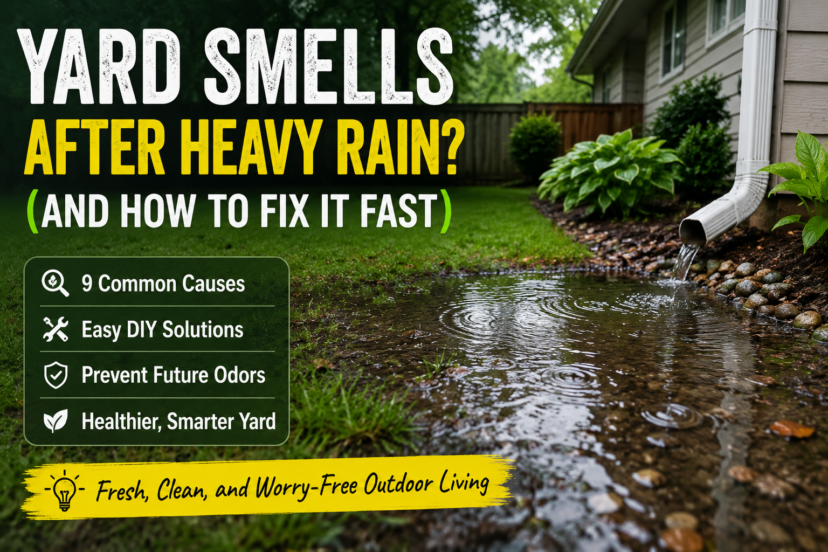
Why Yard Smells After Heavy Rain? 9 Common Causes And How To Fix Them Fast
Have you ever stepped outside after a rainstorm expecting that fresh, clean smell, only to be greeted by an unpleasant odor coming from your yard?
You’re not alone.
Many homeowners notice that their yard smells after heavy rain, especially during spring storms, humid summers, or periods of frequent rainfall. The smell can range from a mild musty odor to something that resembles sewage, rotten eggs, wet leaves, or stagnant water.
The good news is that a smelly yard is often your property’s way of telling you that something needs attention. In many cases, the solution is simple, affordable, and can actually help you create a healthier, easier-to-maintain outdoor space.
A smarter yard isn’t just about appearance. It’s about reducing maintenance, preventing costly problems, improving drainage, and creating an outdoor environment that feels enjoyable year-round.
⭐ Quick Answer: Yard Smells After Heavy Rain
If your yard smells after heavy rain, the most common causes include standing water, poor drainage, decaying organic matter, compacted soil, clogged drains, pet waste, septic issues, or excessive moisture trapped in landscaping materials.
The fastest fixes usually include:
- Improving drainage
- Removing decaying debris
- Aerating compacted soil
- Cleaning drains and gutters
- Eliminating standing water
- Addressing septic or sewer problems if present
Identifying the source early can help prevent larger and more expensive yard problems later.
Key Takeaways
Most likely cause: Yard smells after heavy rain are most commonly caused by standing water, poor drainage, decaying organic matter, compacted soil, or excess moisture trapped in the landscape.
Usually serious? Not usually. Most odors can be resolved with better drainage and routine yard maintenance, but persistent sewage or rotten egg smells may indicate a septic or sewer problem that needs prompt attention.
First thing to check: Look for areas where water collects, remove wet leaves and other debris, inspect drains and gutters for blockages, and note whether the odor resembles sewage, sulfur, or rotting vegetation.
Best solution: Fix the underlying cause of yard smells after heavy rain by improving drainage, aerating compacted soil, removing decaying organic material, eliminating standing water, and addressing septic or drainage issues if they are present.
🌧️ Why A Yard Smells After Heavy Rain
Rainwater doesn’t create odors by itself.
Instead, rain exposes existing issues hiding in your landscape.
When water saturates the ground, it can activate bacteria, release trapped gases, stir up decomposing material, and create ideal conditions for unpleasant smells.
A yard that smells after heavy rain often signals that water is not draining properly or that organic materials are breaking down faster than normal.
The key is finding where moisture is collecting.
🏡 Common Cause #1: Standing Water In Low Spots
One of the most common reasons a yard smells after heavy rain is standing water.
Water that remains in one place for more than a day or two can become stagnant.
This stagnant water allows bacteria to grow and organic material to decompose.
Common locations include:
- Low areas in the lawn
- Depressions near patios
- Areas beside sidewalks
- Poorly graded flower beds
- Around downspouts
How To Fix It
- Fill low spots with quality topsoil
- Improve grading away from the house
- Extend downspouts
- Install drainage channels if needed
- Consider a dry creek bed for recurring issues
Even small grading improvements can dramatically reduce future odors.
🌿 Common Cause #2: Decaying Leaves And Organic Debris
Wet leaves smell much stronger than dry leaves.
After a storm, piles of leaves, mulch, grass clippings, and plant debris begin decomposing rapidly.
As microbes break down this material, unpleasant odors can develop.
Signs include:
- Musty smells
- Rotten vegetation odors
- Compost-like scents near flower beds
How To Fix It
- Rake leaves regularly
- Remove grass clippings
- Clean landscape beds
- Refresh old mulch
- Trim dead plants
Keeping landscaping tidy is one of the easiest ways to prevent odor problems.
💧 Common Cause #3: Poor Yard Drainage
Poor drainage is one of the biggest reasons a yard smells after heavy rain.
When water cannot move through the soil efficiently, oxygen levels drop.
This creates anaerobic conditions where odor-producing bacteria thrive.
Common symptoms include:
- Soggy soil
- Persistent puddles
- Mushy grass
- Bare patches
Better Yard Living Strategy
Rather than constantly fighting water problems, focus on improving drainage permanently.
Smart drainage upgrades may include:
- French drains
- Dry wells
- Drainage swales
- Permeable pathways
- Rain gardens
These improvements often reduce maintenance while protecting your landscape investment.
🌱 Common Cause #4: Compacted Soil
Healthy soil contains tiny air pockets.
Over time, foot traffic, vehicles, heavy equipment, and even lawn mowers can compact soil.
When rain arrives, water sits near the surface instead of draining properly.
This creates ideal conditions for unpleasant smells.
How To Fix Compacted Soil
- Aerate your lawn annually
- Add compost
- Reduce heavy traffic
- Improve soil structure
- Use organic matter regularly
Aeration is often one of the most affordable yard improvements homeowners can make.
🐕 Common Cause #5: Pet Waste Hidden In The Yard
Pet waste can remain unnoticed during dry weather.
However, after a heavy rain, moisture can reactivate odors and spread bacteria through the yard.
If your yard smells after heavy rain and you have pets, this should be one of the first things you investigate.
Quick Solution
- Remove waste daily
- Designate pet areas
- Hose down hard surfaces
- Use pet-safe odor eliminators
Consistent cleanup prevents odors and improves yard health.
🚰 Common Cause #6: Clogged Drains And Gutters
Many homeowners overlook drainage systems.
When gutters overflow or drains become clogged, water can pool around foundations and landscaping.
Organic matter trapped inside drains often decomposes and produces foul smells.
Check:
- Downspouts
- Catch basins
- Yard drains
- Gutter systems
- Drainage pipes
Smart Prevention
Create a seasonal maintenance schedule.
Cleaning drains twice per year can prevent many moisture-related yard problems.
🌾 Common Cause #7: Excessive Mulch
Mulch is excellent for moisture retention and weed control.
However, too much mulch can create problems.
When mulch remains constantly wet, it may develop sour-smelling conditions caused by anaerobic decomposition.
This sometimes produces a vinegar-like or rotten odor.
Best Practices
- Keep mulch 2–3 inches deep
- Avoid piling mulch against structures
- Refresh mulch periodically
- Use quality hardwood mulch
Less mulch often performs better than excessive layers.
🚽 Common Cause #8: Septic System Problems
If your yard smells after heavy rain and the odor resembles sewage or rotten eggs, a septic issue may be involved.
Heavy rainfall can saturate drain fields and prevent proper wastewater absorption.
Warning signs include:
- Sewage odors
- Wet patches
- Unusually green grass
- Slow household drains
Important
Septic issues should not be ignored.
Prompt action can prevent expensive repairs and health risks.
🌳 Common Cause #9: Tree Roots And Underground Drain Problems
Tree roots naturally seek moisture.
Over time, roots can enter underground drainage pipes and restrict water flow.
This can create moisture buildup and odor issues after storms.
Signs include:
- Recurring wet spots
- Drain backups
- Slow water movement
- Persistent smells after rainfall
Professional inspection may be needed if root intrusion is suspected.
🌎 Smarter Yard Strategies To Prevent Future Odors
The best solution is prevention.
A well-designed yard handles water efficiently and requires less maintenance.
Consider these upgrades:
Improve Water Flow
- Extend downspouts
- Regrade problem areas
- Install drainage channels
- Direct water away from structures
Build Healthier Soil
- Add compost
- Aerate regularly
- Reduce compaction
- Encourage earthworm activity
Use Smart Landscaping
- Native plants
- Rain gardens
- Ground covers
- Drought-tolerant species
Reduce Organic Buildup
- Remove debris
- Trim dead growth
- Refresh mulch properly
- Clean landscape beds
Small improvements often produce long-term results.
👷 When To Consult A Professional
Some odor issues can be handled with DIY solutions.
However, consider contacting a professional if you notice:
- Persistent sewage odors
- Standing water lasting several days
- Repeated flooding
- Suspected septic problems
- Drainage failures
- Foundation water issues
A landscaper, drainage contractor, or septic specialist can identify problems before they become expensive repairs.
❓ FAQs: Yard Smells After Heavy Rain
Why does my yard smell like sewage after rain?
Heavy rain can expose septic issues, sewer leaks, clogged drains, or decomposing organic matter. A sewage smell should always be investigated promptly.
Is it normal for a yard to smell after heavy rain?
A mild earthy smell is normal. Strong odors usually indicate standing water, poor drainage, or decomposition.
How long should standing water remain in my yard?
Most puddles should disappear within 24 to 48 hours. Longer periods may signal drainage problems.
Can mulch cause yard odors?
Yes. Excessively wet mulch can develop anaerobic conditions that produce unpleasant smells.
Why does my lawn smell like rotten eggs?
Rotten egg odors often result from sulfur-producing bacteria in waterlogged soil or possible septic issues.
Will aerating my lawn reduce odors?
Yes. Aeration improves airflow and drainage, helping reduce odor-producing conditions.
Can poor drainage damage my property?
Absolutely. Poor drainage can contribute to lawn damage, plant decline, foundation issues, and ongoing maintenance costs.
📌 Final Thoughts
If your yard smells after heavy rain, don’t assume it’s something you have to live with.
In many cases, the odor is simply a warning sign that water isn’t moving through your landscape properly.
The encouraging news is that most causes can be fixed without major renovations or expensive equipment.
By improving drainage, maintaining healthy soil, removing organic buildup, and addressing small problems early, you can create a smarter outdoor space that is easier to maintain, more enjoyable to use, and less likely to develop future issues.
That’s what Better Yard Living is all about—making practical improvements that save time, reduce frustration, and help you enjoy your property without becoming a landscaping expert.
Disclaimer: This article is for educational purposes only. Local soil conditions, drainage regulations, septic requirements, and environmental rules vary by location. Consult qualified professionals for property-specific concerns.
 Explore more: