Low Maintenance Backyard Plants: 15 Best Choices For A Cleaner And Easier Yard
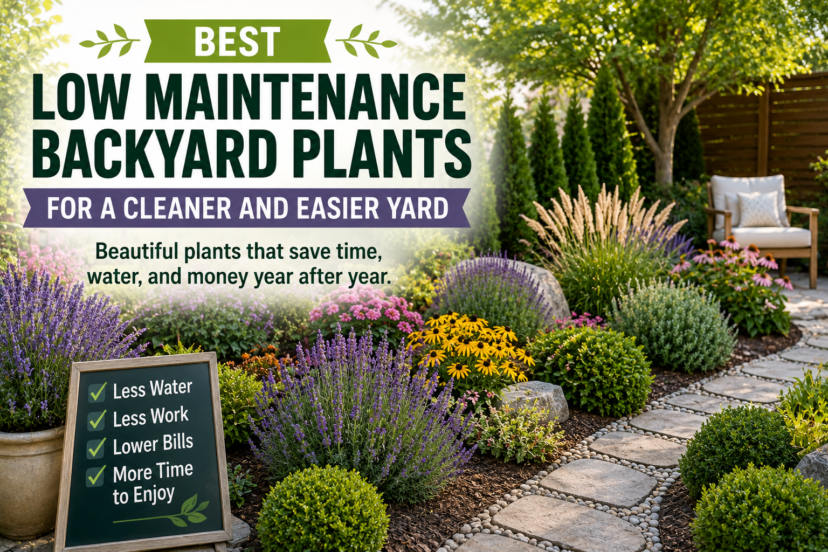
How to choose the right low maintenance backyard plants? A beautiful backyard shouldn’t require hours of watering, pruning, weeding, and constant maintenance every weekend. If you’re like many homeowners, you want an outdoor space that’s attractive, relaxing, and affordable to care for—not another item on your never-ending to-do list.
The good news is that choosing the right low maintenance backyard plants can dramatically reduce yard work while improving your home’s appearance. Many hardy plants thrive with little attention once established, making them perfect for busy families, new homeowners, retirees, or anyone looking to simplify outdoor maintenance.
The secret isn’t planting more—it’s planting smarter. By selecting drought-tolerant, climate-appropriate, and easy-care plants, you can spend less time working in the yard and more time enjoying it.
Whether you’re refreshing a few flower beds or redesigning your entire landscape, these practical ideas will help you build a cleaner, healthier, and easier-to-maintain backyard.
⭐ Quick Answer: Low Maintenance Backyard Plants
The best low maintenance backyard plants include native plants, ornamental grasses, lavender, boxwood, coneflowers, sedum, hostas, junipers, and drought-tolerant shrubs. These plants require less watering, pruning, fertilizing, and pest control while keeping your yard attractive throughout the year.
Key Takeaways
Most likely cause: A high-maintenance backyard often comes from choosing plants that aren’t well suited to your local climate, soil, sunlight, or natural rainfall, leading to extra watering, pruning, fertilizing, and pest control.
Usually serious? No. Most maintenance problems can be reduced significantly by replacing demanding plants with hardy, climate-appropriate varieties that naturally thrive in your yard’s conditions.
First thing to check: Evaluate how much sun each planting area receives, your soil drainage, available space, and your local growing conditions before choosing new plants.
Best solution: Choose low maintenance backyard plants such as suitable native species, drought-tolerant perennials, ornamental grasses, and hardy shrubs that match your specific growing conditions. Group plants with similar water and sunlight needs, add mulch where appropriate, and give each plant enough room to reach its mature size.
🌿 Why Choose Low Maintenance Backyard Plants?
Many traditional landscapes demand frequent watering, mowing, trimming, and seasonal replacement.
By switching to low-maintenance landscaping, homeowners can enjoy:
- ✔ Lower water bills
- ✔ Less weekend yard work
- ✔ Reduced fertilizer use
- ✔ Fewer weeds
- ✔ Lower maintenance costs
- ✔ Better drought resistance
- ✔ Improved curb appeal
The right plants work with your local climate instead of constantly fighting against it.
🌼 What Makes A Plant Low Maintenance?
Not every attractive plant is easy to care for.
The best low maintenance backyard plants typically have these qualities:
- Drought tolerant
- Slow growing
- Disease resistant
- Pest resistant
- Adapted to local climates
- Long-lasting
- Minimal pruning needs
These characteristics help reduce both maintenance time and long-term landscaping costs.
🌾 Best Low Maintenance Backyard Plants For Sunny Areas
Sunny landscapes offer many easy-care options.
Popular choices include:
Lavender
Lavender provides beautiful purple blooms, a pleasant fragrance, and attracts pollinators while requiring very little water once established.
Coneflowers
Native to much of the United States, coneflowers tolerate heat, drought, and poor soil while blooming throughout summer.
Black-Eyed Susans
These bright yellow flowers return each year with minimal attention and support local pollinators.
Sedum
Sedum stores water in its leaves, making it one of the easiest perennial plants for dry conditions.
🌳 Best Evergreen Low Maintenance Backyard Plants
Evergreens provide year-round color and structure without requiring frequent care.
Excellent options include:
- Boxwood
- Juniper
- Inkberry Holly
- Arborvitae
- Dwarf Spruce
- Yaupon Holly (warmer climates)
These shrubs create attractive borders, privacy, and foundation plantings while remaining relatively easy to maintain.
🌱 Use Native Plants Whenever Possible
Native plants naturally thrive in local growing conditions.
Benefits include:
- Lower water requirements
- Better pest resistance
- Less fertilizer
- Improved wildlife habitat
- Better pollinator support
Because they’re adapted to regional climates, native plants usually require less attention than exotic species.
Many local extension offices publish lists of recommended native landscaping plants for your area.
🍃 Ornamental Grasses Add Beauty Without Extra Work
Ornamental grasses create movement and texture while requiring surprisingly little maintenance.
Popular varieties include:
- Feather Reed Grass
- Switchgrass
- Little Bluestem
- Blue Fescue
- Maiden Grass
Most only require one annual trim before new spring growth begins.
They’re excellent choices for borders, slopes, and backyard privacy.
🌸 Low Maintenance Backyard Plants For Shade
Shady backyards can also be beautiful without demanding constant care.
Consider planting:
- Hostas
- Coral Bells
- Ferns
- Astilbe
- Japanese Forest Grass
- Wild Ginger
These shade-loving plants often require less watering because cooler conditions reduce evaporation.
🌵 Drought-Tolerant Plants Save Water And Money
One of the smartest landscaping upgrades is choosing plants that naturally survive dry periods.
Examples include:
- Yarrow
- Russian Sage
- Agastache
- Salvia
- Yucca
- Blanket Flower
These plants help homeowners reduce irrigation while maintaining colorful landscapes throughout the growing season.
🌼 Group Plants By Water Needs
One simple landscaping strategy can dramatically reduce maintenance.
Group plants with similar watering needs together.
For example:
Low-Water Zone
- Lavender
- Sedum
- Yarrow
- Native grasses
Moderate-Water Zone
- Hostas
- Hydrangeas
- Coral Bells
This allows each irrigation area to receive only the water it actually needs.
🌎 Build A Smarter Low-Maintenance Landscape
Plants are only one part of an easy-care yard.
Combine them with:
- Mulched planting beds
- Drip irrigation
- Stone pathways
- Decorative rock
- Rain barrels (where permitted)
- Ground covers
- Smart irrigation timers
Together, these features reduce both maintenance and monthly water use.
🌺 Avoid These High-Maintenance Landscaping Mistakes
Many homeowners unintentionally create more work.
Common mistakes include:
- Planting species that outgrow the space
- Mixing plants with different water needs
- Overcrowding flower beds
- Ignoring mature plant size
- Choosing invasive species
- Overwatering
Planning ahead saves both time and money in future years.
🌞 Seasonal Care Tips For Low Maintenance Backyard Plants
Although they’re easier to maintain, these plants still benefit from simple seasonal care.
Spring:
- Add fresh mulch
- Remove winter debris
- Prune damaged branches
Summer:
- Water deeply during extended droughts
- Watch for pests
Fall:
- Divide perennials if needed
- Remove diseased foliage
Winter:
- Protect young plants where necessary
- Limit foot traffic around frozen root systems
Simple seasonal maintenance keeps landscapes healthy with minimal effort.
👷 When To Consult A Professional
Many landscaping projects are perfect for DIY homeowners, but some situations benefit from expert guidance.
Consider consulting a landscaper or contractor if:
- You need large trees planted.
- Drainage problems affect planting areas.
- Your yard has steep slopes.
- You want a complete landscape redesign.
- Irrigation systems require installation.
- Existing plants repeatedly fail.
- Soil conditions need professional evaluation.
Professional planning can help ensure your landscape performs well for many years.
❓ FAQs: Low Maintenance Backyard Plants
1. What are the easiest backyard plants to grow?
Lavender, sedum, coneflowers, ornamental grasses, boxwood, hostas, and native plants are among the easiest choices for most homeowners.
2. Which low-maintenance plants require the least water?
Sedum, yucca, lavender, yarrow, salvia, and many native grasses perform well with minimal watering once established.
3. Are native plants easier to maintain?
Yes. Native plants are naturally adapted to local climates, making them more resistant to drought, pests, and disease.
4. Do low-maintenance plants still attract pollinators?
Absolutely. Coneflowers, black-eyed Susans, salvia, lavender, and many native wildflowers provide valuable nectar for bees and butterflies.
5. How much mulch should I use around plants?
Most garden beds benefit from 2 to 3 inches of mulch to help retain moisture and suppress weeds.
6. What is the best time to plant low-maintenance landscaping?
Spring and fall are generally the best times because cooler temperatures help plants establish healthy root systems.
7. Can low-maintenance landscaping increase home value?
Yes. Attractive, easy-care landscapes often improve curb appeal while reducing long-term maintenance costs, making homes more appealing to buyers.
🎯 Final Thoughts On Low Maintenance Backyard Plants
Choosing the right low-maintenance backyard plants is one of the smartest investments you can make for your outdoor space. Instead of spending every weekend watering, pruning, and replacing struggling plants, you can enjoy a landscape that naturally works with your local climate and lifestyle.
Start small by replacing one high-maintenance area with drought-tolerant plants, native flowers, or ornamental grasses. Over time, these simple improvements can lower your water bill, reduce maintenance, and create a cleaner, healthier yard you’ll enjoy throughout every season.
A smarter landscape isn’t about doing more—it’s about planting better. With the right choices, you’ll spend less time working and more time enjoying better yard living.
Disclaimer: This article is for general informational purposes only. Plant performance varies by USDA Hardiness Zone, local climate, soil conditions, and maintenance practices. Always select plants suited to your region and follow local landscaping regulations and water-use guidelines where applicable.
 Explore more: