How To Lower Water Bill: 15 Smarter Backyard Habits That Save Money Every Month
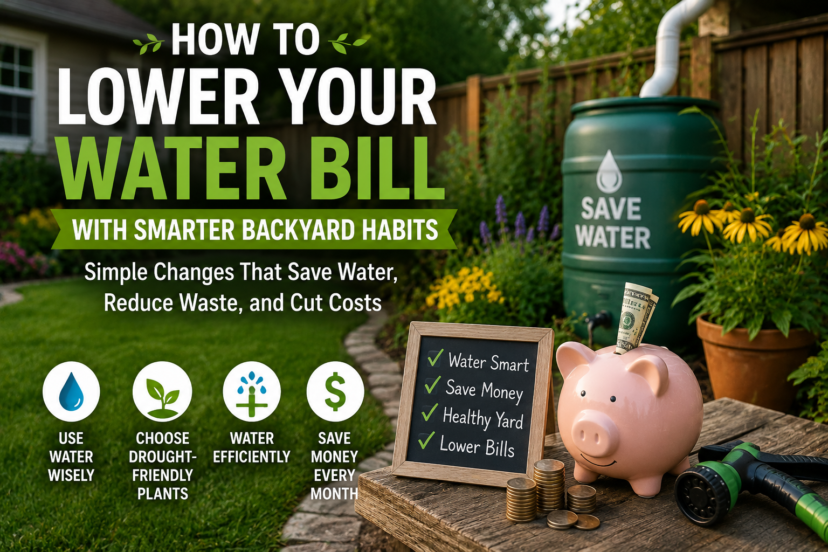
How To Lower Water Bill With Smarter Backyard Habits
Watching your water bill climb every summer can be frustrating, especially when it feels like you’re simply trying to keep your lawn and garden alive. The good news is that lowering your water bill doesn’t mean giving up a beautiful yard or spending thousands on expensive upgrades.
Many homeowners unknowingly waste hundreds or even thousands of gallons of water each month through inefficient watering habits, outdated irrigation systems, and landscaping choices that require more water than necessary. Fortunately, a few smart changes can make a noticeable difference.
Learning how to lower water bill costs starts with working smarter—not watering more. By choosing efficient landscaping, improving irrigation, and developing better outdoor habits, you can reduce monthly expenses while creating a healthier, lower-maintenance yard.
Whether you have a large backyard, a small suburban lot, or anything in between, these practical strategies will help you build a more efficient outdoor space without becoming a landscaping expert.
⭐ Quick Answer: How To Lower Water Bill
The best way to lower water bill costs is by watering deeply but less often, fixing irrigation leaks, using mulch, planting drought-tolerant landscaping, collecting rainwater where allowed, and upgrading to smart irrigation controllers that water only when necessary.
Key Takeaways
Most likely cause: High outdoor water use is commonly caused by overwatering, irrigation leaks, inefficient sprinklers, watering at the wrong times, or landscaping that requires frequent irrigation during hot weather.
Usually serious? Usually not, but a sudden unexplained increase in water usage could indicate a leaking irrigation line, broken sprinkler head, plumbing leak, or another problem that should be investigated.
First thing to check: If you’re trying to learn how to lower water bill costs, inspect your irrigation system for leaks, broken sprinkler heads, overspray, runoff, and watering schedules that may be using more water than your yard actually needs.
Best solution: Water efficiently based on your plants, soil, climate, and local restrictions. Repair leaks, use mulch to reduce evaporation, consider drought-tolerant plants, improve irrigation efficiency, and use weather-based or smart controllers where appropriate.
💧 Why Backyard Water Use Impacts Your Water Bill
Outdoor watering accounts for a significant portion of household water use in many parts of the United States, especially during spring and summer.
Common causes of high outdoor water use include:
- Overwatering lawns
- Watering during the hottest part of the day
- Broken sprinkler heads
- Leaking irrigation lines
- Poor soil moisture retention
- High-water-demand plants
- Inefficient sprinkler coverage
Even small improvements can produce noticeable monthly savings.
🌿 How To Lower Water Bill By Watering Smarter
Watering smarter is often the easiest place to begin.
Instead of watering every day, most established lawns benefit from deeper watering only a few times each week.
Benefits include:
- Stronger root systems
- Less evaporation
- Healthier grass
- Lower water consumption
- Improved drought tolerance
Early morning is generally the best time to water because temperatures are cooler and winds are lighter.
Avoid watering during the afternoon when much of the moisture evaporates before reaching plant roots.
🚿 Upgrade Your Irrigation System
One of the biggest opportunities to lower water bills is improving irrigation efficiency.
Consider upgrades such as:
- Smart irrigation controllers
- Rain sensors
- Soil moisture sensors
- Pressure-regulating sprinkler heads
- Drip irrigation systems
- Rotary nozzles
Many smart controllers automatically adjust watering schedules based on local weather conditions, preventing unnecessary irrigation after rainfall.
Although these upgrades require some upfront investment, they often pay for themselves through lower utility bills.
🌱 Use Mulch To Reduce Water Loss
Mulch is one of the simplest and most affordable water-saving tools available.
Adding 2 to 3 inches of mulch around trees, shrubs, flowers, and vegetable gardens helps:
- Reduce evaporation
- Keep soil cooler
- Suppress weeds
- Improve soil quality
- Reduce watering frequency
Popular mulch materials include:
- Wood chips
- Bark mulch
- Pine straw
- Compost
- Shredded leaves
Organic mulch also improves soil as it breaks down over time.
🌾 Choose Low-Water Landscaping
Many homeowners spend money watering plants that aren’t well suited for their climate.
Instead, consider drought-tolerant landscaping.
Popular choices include:
- Native plants
- Ornamental grasses
- Coneflowers
- Black-eyed Susans
- Lavender
- Yarrow
- Sedum
Native plants often require significantly less supplemental watering once established because they’re naturally adapted to local rainfall patterns.
This approach is often called xeriscaping or water-wise landscaping.
🌧️ Collect Rainwater Where Allowed
Rainwater collection can help reduce outdoor water use in many states.
Simple options include:
- Rain barrels
- Decorative rain tanks
- Rain gardens
- Downspout diverters
Collected rainwater works well for:
- Flower beds
- Vegetable gardens
- Trees
- Container plants
Before installing a rainwater collection system, check your local regulations, as rules vary by state and municipality.
🪴 How To Lower Water Bill With Better Plant Placement
Grouping plants with similar water needs makes irrigation much more efficient.
Landscape professionals often refer to this as hydrozoning.
For example:
- High-water plants near the house
- Medium-water plants in landscape beds
- Low-water native plants around property edges
This allows each irrigation zone to receive only the water it actually needs.
🌳 Improve Soil To Hold More Water
Healthy soil stores moisture longer.
Simple ways to improve soil include:
- Adding compost
- Leaving grass clippings after mowing
- Using organic mulch
- Avoiding soil compaction
- Aerating lawns annually
Healthier soil means less watering throughout the growing season.
🚰 Fix Hidden Outdoor Water Leaks
Many homeowners don’t realize how much water is lost through small leaks.
Inspect regularly for:
- Dripping outdoor faucets
- Cracked hoses
- Leaking hose bibs
- Broken sprinkler heads
- Underground irrigation leaks
- Loose hose connections
Even a slow drip can waste hundreds of gallons over time.
Walk your irrigation system every few weeks during watering season to identify problems early.
🌼 Reduce Lawn Size
Lawns are often the thirstiest part of the landscape.
You don’t necessarily need to remove your lawn completely.
Instead, replace difficult-to-maintain areas with:
- Native gardens
- Ground covers
- Decorative rock
- Mulched planting beds
- Pollinator gardens
- Outdoor seating areas
Reducing lawn area can dramatically lower long-term irrigation costs while creating a more interesting landscape.
☀️ Shade Your Yard Naturally
Trees provide more than beauty.
Strategically planted shade trees help:
- Reduce soil evaporation
- Protect grass from heat stress
- Cool patios
- Lower surrounding temperatures
- Reduce watering needs
Popular shade trees vary by region, but choosing native or climate-adapted species usually provides the best long-term results.
💲 Small Backyard Habits That Add Up
Learning how to lower water bill expenses often comes down to small daily habits.
Try these simple improvements:
- ✔ Sweep patios instead of hosing them.
- ✔ Wash vehicles on the lawn when appropriate.
- ✔ Turn off hoses while cleaning.
- ✔ Use trigger spray nozzles.
- ✔ Water only when plants need it.
- ✔ Check weather forecasts before watering.
- ✔ Raise mower height to reduce evaporation.
- ✔ Replace worn irrigation timers.
None of these changes require specialized knowledge, but together they can significantly reduce monthly water use.
👷 When To Consult A Professional
Many water-saving projects are perfect for DIY homeowners, but some situations benefit from professional assistance.
Consider contacting a landscaper, irrigation specialist, or contractor if:
- Your irrigation system frequently leaks.
- Sprinkler coverage is uneven.
- Water pressure is unusually high or low.
- Drainage problems cause runoff.
- You want to redesign your landscape for lower water use.
- Underground irrigation lines require repair.
- You plan to install permanent irrigation systems or large rainwater harvesting equipment.
Professional advice can help maximize water savings while avoiding costly installation mistakes.
❓ FAQs: How To Lower Water Bill
1. What uses the most water in a backyard?
Lawns typically use the most water, especially when watered too frequently or during hot afternoons.
2. What is the best time to water the lawn?
Early morning is generally the most efficient time because evaporation is lower and plants have time to dry before evening.
3. Does mulch really save water?
Yes. Mulch reduces soil evaporation, helping plants stay moist longer and reducing watering frequency.
4. Are smart irrigation controllers worth it?
For many homeowners, yes. Smart controllers adjust watering schedules based on weather conditions and can reduce unnecessary watering.
5. Can drought-tolerant plants still look attractive?
Absolutely. Native plants, ornamental grasses, flowering perennials, and shrubs can create colorful, beautiful landscapes while using much less water.
6. Does collecting rainwater lower water bills?
It can help reduce outdoor water use by providing free water for gardens, flower beds, and container plants where local regulations allow.
7. How quickly can I reduce my water bill?
Simple changes such as fixing leaks, adjusting irrigation schedules, and using mulch can begin reducing water use almost immediately, with savings often visible on the next billing cycle.
🎯 Conclusion: How To Lower Water Bill
Learning how to lower water bill costs isn’t about sacrificing a beautiful yard—it’s about making smarter choices that work with nature instead of against it. Small improvements like watering efficiently, upgrading irrigation, improving soil, and choosing water-wise plants can lead to meaningful savings month after month.
The best part is that you don’t need professional landscaping experience to get started. Begin with one or two simple habits, build on your success over time, and enjoy a backyard that’s easier to maintain, less expensive to care for, and more enjoyable throughout the year.
Every gallon you save is money back in your pocket—and another step toward better yard living.
Disclaimer: This article is for informational purposes only. Water conservation regulations, rainwater harvesting rules, irrigation requirements, and rebate programs vary by state and municipality. Always follow local codes, utility guidelines, and manufacturer recommendations when installing or modifying irrigation or water collection systems.
 Explore more: