How To Improve Drainage Around A Patio Without Removing It: 7 Smart, Budget-Friendly Fixes
Improving drainage around a patio without removing it means managing roof runoff, routing perimeter water, and improving the surrounding soil’s ability to absorb water. Water pooling around your patio can turn a relaxing outdoor space into a muddy, slippery mess. Fortunately, learning how to improve drainage around a patio doesn’t mean tearing up concrete, removing pavers, or spending thousands of dollars on a complete renovation. In many cases, a few smart drainage improvements can redirect rainwater, protect your patio, and make your backyard easier to maintain.
A patio should be a place where you enjoy morning coffee, weekend cookouts, and quiet evenings—not somewhere you worry about standing water after every storm.
The challenge is identifying where the water comes from and choosing a solution that works with your existing landscape.
Whether you have a concrete patio, brick pavers, or a stone sitting area, several practical drainage methods can help.
The best part? Many of these improvements are affordable, manageable for DIY homeowners, and designed to make outdoor living more enjoyable for years.
💧 Quick Answer: How To Improve Drainage Around A Patio Without Removing It
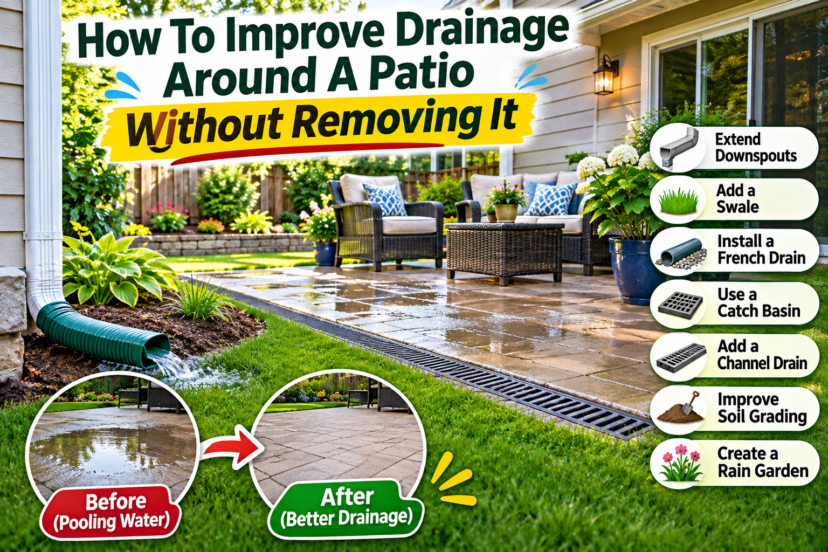
The best way to improve drainage around a patio without removing it is to redirect surface water using shallow swales, French drains, catch basins, channel drains, or downspout extensions. Start by identifying where water collects and checking whether nearby soil slopes toward the patio. For minor problems, correcting surrounding soil grades or extending a downspout may be enough. More serious drainage issues may require an underground drainage system.
Key Takeaways
- Most Likely Cause: Poor soil grading, compacted soil, blocked drainage paths, or roof runoff.
- Usually Serious? Not always, but repeated standing water can damage landscaping, encourage algae growth, and contribute to patio or foundation problems.
- First Thing To Check: Watch where rainwater flows during a storm and inspect nearby downspouts.
- Best Solution: How to improve drainage around a patio depends on the source of the water, but redirecting runoff before it reaches the patio is often the most practical approach.
🔍 Why Water Collects Around Patios
Before choosing a drainage solution, understand why water keeps collecting.
Most patio drainage problems come from a combination of landscape design, soil conditions, and rainwater movement.
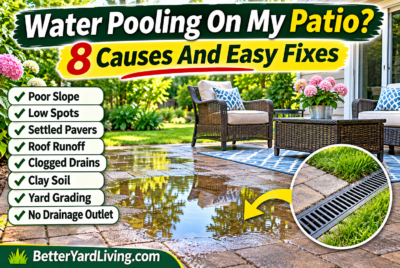
Poor Yard Grading
Ideally, the surrounding landscape should direct water away from buildings and toward a safe drainage outlet.
When soil slopes toward a patio, rainfall naturally collects along its edges.
This is common in older homes where landscaping has settled over time.
Compacted Or Clay-Heavy Soil
Clay soil absorbs water slowly, especially when already saturated.
Homeowners in parts of Texas, Georgia, Ohio, and other clay-heavy regions may notice puddles that remain long after rainfall ends.
Compacted soil around frequently used patios can make the problem worse.
Roof Runoff And Downspouts
A single downspout can release a large amount of water during a heavy storm.
If that water empties near your patio, even a well-designed landscape may struggle to handle it.
Settled Pavers Or Concrete
Over time, pavers can sink, and concrete slabs may develop low spots.
When the patio surface itself holds water, surrounding drainage improvements may reduce the problem but cannot always eliminate it.
🛠️ 7 Smart Ways To Improve Drainage Around A Patio Without Removing It
The smartest approach is usually to start with the simplest, least expensive fix.
Here are seven practical options for homeowners.
1. Extend Downspouts Away From The Patio
Best For: Patios affected by roof runoff.
One of the easiest ways to improve patio drainage is to move gutter water farther away.
Flexible downspout extensions can redirect water toward a suitable lawn area or approved drainage outlet.
How To Do It:
- Locate downspouts near the patio.
- Observe where water flows during rainfall.
- Attach a compatible extension.
- Direct water away from the patio and foundation.
- Secure the extension and check for leaks.
Estimated DIY Cost: $15–$60 per downspout.
Avoid sending runoff toward neighboring properties, sidewalks, or areas where it could return to your foundation.
2. Install A Shallow Landscape Swale
Best For: Surface water flowing across the lawn toward the patio.
A swale is a shallow, gently sloped channel that guides water around an area instead of allowing it to collect.
Unlike a deep ditch, a well-designed swale can blend into your lawn or landscaping.
Basic Installation Steps:
- Identify the direction water should travel.
- Mark a shallow drainage path.
- Excavate and shape a gradual channel.
- Establish grass or erosion-resistant vegetation.
- Test the water flow with a hose.
Estimated DIY Cost: $50–$300 for a small project.
A swale needs a suitable lower discharge area. It should not create a new drainage problem elsewhere.
3. Add A French Drain Along The Patio Edge
Best For: Waterlogged soil and recurring water accumulation beside patios.
A French drain collects subsurface water through a gravel-filled trench and perforated drainage pipe.
It can be especially useful when the soil remains wet for days after rainfall.
Typical Installation Process:
- Mark the drainage route and outlet.
- Check underground utilities before digging.
- Excavate a trench with a consistent slope.
- Install suitable filter fabric and washed drainage stone.
- Place perforated drainage pipe.
- Surround the pipe with additional stone.
- Wrap the fabric and finish the surface.
Estimated DIY Cost: $300–$1,000 for a modest installation, depending on length and materials.
A French drain needs a legal, functional outlet. In heavy clay soil, it will not work well if water has nowhere to discharge.
4. Install A Surface Catch Basin
Best For: A specific low spot where water collects.
A catch basin is a small underground collection box with a grate at ground level.
Rainwater enters through the grate and travels through a solid drainage pipe toward an approved outlet.
This works particularly well when puddles consistently form in one location.
Estimated DIY Cost: $100–$400 for a small system with a short pipe run.
Keep the grate clear of leaves and debris, especially during fall.
5. Add A Channel Drain Along The Patio
Best For: Water flowing across a patio or collecting along one edge.
A channel drain is a long, narrow surface drain covered by a grate.
It intercepts runoff before it spreads across the patio.
Some systems can be installed along an existing patio edge without removing the main patio surface. However, installation may require excavating adjacent soil or cutting a narrow strip of concrete.
Estimated Installed Cost: $500–$2,000 or more, depending on length, excavation, and outlet requirements.
Channel drains are particularly useful near patio doors, outdoor kitchens, and hardscape transitions.
6. Improve Soil Grading Around The Patio
Best For: Minor low spots and uneven soil around the patio.
Sometimes, improving drainage is as simple as reshaping the surrounding landscape.
Adding and compacting suitable soil in low areas can help water move away instead of settling against the patio.
How To Improve The Grade:
- Identify low areas around the patio.
- Check the existing slope with a level and straightedge.
- Add suitable fill soil in thin, compacted layers.
- Shape the surface toward a safe drainage route.
- Restore grass, mulch, or ground cover.
Estimated DIY Cost: $50–$250 for minor adjustments.
Never raise soil above siding clearance, block weep holes, bury patio drainage openings, or create a slope toward the house.
7. Create A Rain Garden Away From The Patio
Best For: Homeowners who want attractive, environmentally friendly drainage.
A rain garden is a shallow planted depression that temporarily collects runoff and allows it to soak into suitable soil.
It can transform an ordinary drainage feature into an attractive landscaping element.
Native plants may also support pollinators and reduce routine maintenance once established.
Estimated DIY Cost: $150–$600 for a small rain garden.
Choose a location with suitable soil infiltration, adequate distance from foundations, and no buried utility conflicts. A rain garden is not appropriate where water cannot drain within a reasonable period.
💰 Patio Drainage Solutions: Cost And Comparison
Choosing the right method can save money and prevent unnecessary excavation.
| Drainage Solution | Estimated Cost (USD) | Best Application |
|---|---|---|
| Downspout Extension | $15–$60 | Roof Runoff |
| Landscape Swale | $50–$300 | Surface Water |
| French Drain | $300–$1,000 | Saturated Soil |
| Catch Basin | $100–$400 | Localized Puddles |
| Channel Drain | $500–$2,000+ | Patio Surface Runoff |
| Soil Regrading | $50–$250 | Minor Low Spots |
| Rain Garden | $150–$600 | Landscape Runoff |
Costs are approximate U.S. planning ranges for small projects, generally DIY except the installed channel-drain estimate. Actual costs depend on local labor rates, drainage length, excavation conditions, materials, and permits.
🌿 Better Yard Living Strategies That Prevent Future Drainage Problems
Once you’ve improved drainage, a few maintenance habits can help protect your investment.
- Clean Gutters Regularly: Prevent overflow from sending extra water toward your patio.
- Inspect Drainage Outlets: Make sure pipes and grates remain clear.
- Protect Soil From Erosion: Use vegetation or appropriate ground cover to stabilize drainage paths.
- Avoid Overwatering: Adjust irrigation systems so sprinklers don’t saturate the patio perimeter.
- Monitor After Heavy Storms: Check for new puddles, soil movement, or blocked drainage routes.
The goal isn’t to remove every drop of moisture from your yard. It’s to manage water so your patio stays comfortable and your landscape remains healthy.
⚠️ Common Patio Drainage Mistakes To Avoid
When learning how to improve drainage around a patio, avoid these expensive mistakes.
Installing Gravel Without An Outlet: Decorative gravel alone may hide puddles rather than solve drainage problems.
Sending Water Toward The Foundation: A drainage improvement should never increase moisture against your house.
Installing A French Drain Without Enough Slope: Water needs a working drainage route, not simply a buried pipe.
Ignoring Underground Utilities: In the U.S., contact 811 before excavation and follow your state’s advance-notice requirements.
Covering Existing Drainage Openings: Never block designed outlets, foundation weep holes, or drainage gaps.
A little planning before digging can prevent much bigger problems later.
👷 When To Consult A Professional
Consider hiring a drainage contractor, landscaper, or qualified patio installer when:
- Water repeatedly enters your home or garage.
- The patio slopes toward your foundation.
- Concrete is cracking, lifting, or settling.
- Drainage work requires extensive excavation.
- You cannot identify a safe, legal water outlet.
- Standing water persists despite basic improvements.
A professional can evaluate grading, soil conditions, underground drainage, and local stormwater requirements.
For structural movement or suspected foundation damage, consult a qualified structural engineer.
❓ Frequently Asked Questions About Patio Drainage
1. What Is The Cheapest Way To Improve Drainage Around A Patio?
Extending downspouts and correcting small soil grading problems are often the cheapest solutions. A basic downspout extension may cost less than $60, while minor soil adjustments can often be completed with simple landscaping tools.
2. Can You Install A French Drain Without Removing A Patio?
Yes. A French drain can often be installed in the soil beside an existing patio without disturbing the main surface. However, the trench must have enough space, proper drainage slope, and a suitable outlet.
3. How Do You Stop Water Pooling On A Concrete Patio?
First, determine whether the water comes from surrounding runoff or a low spot in the concrete. A channel drain may intercept flowing water, while settled concrete may require professional lifting, resurfacing, or another corrective treatment.
4. Will Adding Gravel Around A Patio Help Drainage?
Gravel can improve surface drainage in some conditions, but it does not automatically solve standing-water problems. Without suitable soil infiltration or a drainage outlet, water may simply collect beneath the gravel.
5. How Much Slope Does A Patio Need For Proper Drainage?
Many outdoor hardscape designs use a slope of approximately 1/8 to 1/4 inch per foot, depending on the material and application. Water should generally move away from buildings. Existing patio slope requirements should be checked against local codes and site conditions.
6. Can A Rain Garden Fix Patio Drainage Problems?
A properly located rain garden can help manage runoff from nearby landscaping or downspouts. However, it must have adequate soil infiltration and should not be placed where collected water could threaten a foundation or patio base.
7. How Do You Improve Drainage Around A Patio With Clay Soil?
Clay soil often requires redirecting water rather than relying entirely on infiltration. Surface swales, catch basins, and properly designed drainage pipes can be effective. French drains need a functional outlet, particularly where clay drains slowly.
🏡 Conclusion: A Drier Patio Makes Outdoor Living Easier
Learning how to improve drainage around a patio is one of the smartest ways to protect your outdoor space without committing to an expensive renovation.
You don’t always need to remove pavers, replace concrete, or rebuild your landscape.
Sometimes, extending a downspout, correcting a small slope, or installing a simple drainage feature can make a meaningful difference.
Start by watching where water flows, identify the real problem, and choose the least complicated solution that addresses it.
A well-drained patio means fewer muddy patches, less maintenance, and more time enjoying your backyard.
Better yard living starts with practical improvements that make your property easier to enjoy, one smart project at a time
Disclaimer: This article provides general home improvement information. Drainage work may require permits or compliance with local stormwater regulations. Contact 811 before digging, follow applicable safety requirements, and consult qualified professionals for structural or complex drainage problems.
Explore more:
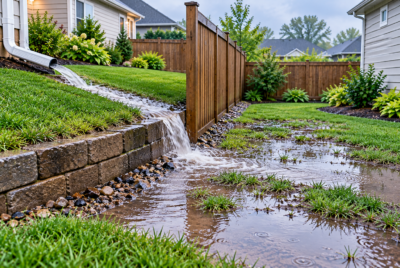
- How To Stop Neighbors Water From Draining Into My Yard?
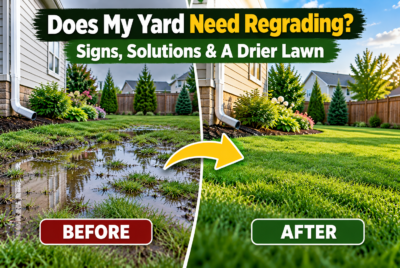
- Does My Yard Need Regrading? 9 Warning Signs
- How To Drain A Backyard With No Slope?