Best Gravel For Backyard Drainage That Really Works: Smart Choices That Save Time And Money
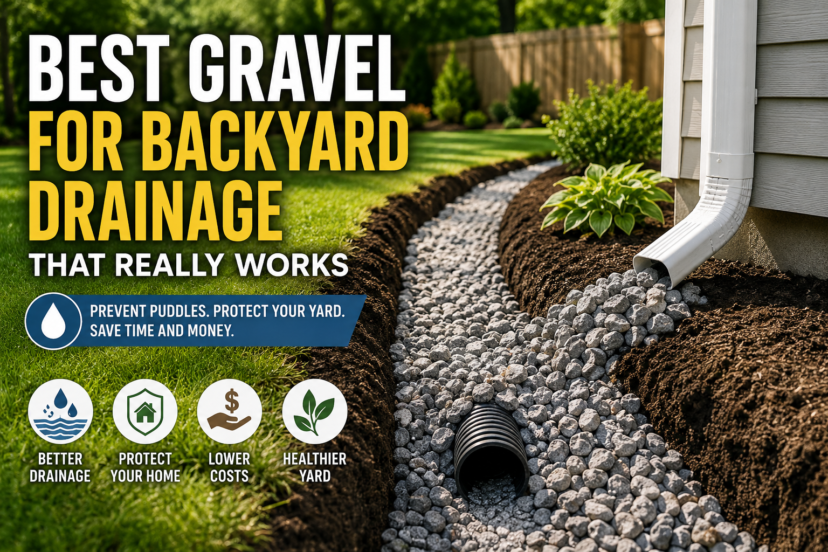
What is the best gravel for backyard drainage? If puddles linger for days after a rainstorm, your lawn feels soggy, or water pools near your home’s foundation, you’re not alone. Poor drainage is one of the most common problems homeowners face, and it can lead to muddy lawns, damaged landscaping, mosquito breeding, and even expensive repairs.
The good news? You don’t have to be a professional landscaper to solve many drainage issues. Choosing the best gravel for backyard drainage is one of the smartest and most affordable improvements you can make. The right gravel helps water move away from problem areas while creating an attractive, low-maintenance landscape that lasts for years.
Whether you’re installing a French drain, improving a walkway, fixing a wet corner of your yard, or building a rain garden, selecting the best gravel for backyard drainage can save you money, reduce maintenance, and make your outdoor space far more enjoyable.
⭐ Quick Answer: Best Gravel For Backyard Drainage
For most homeowners, 3/4-inch clean crushed stone (#57 gravel) is the best gravel for backyard drainage because it allows water to flow freely without trapping sediment. Pea gravel works well for decorative drainage areas, while larger river rock is excellent for drainage swales and erosion control.
Key Takeaways
- Most likely cause: Standing water is usually caused by compacted soil, poor grading, heavy clay soil, or inadequate drainage around the yard.
- Usually serious? Not usually, but ongoing drainage problems can damage landscaping, encourage mosquitoes, and increase the risk of foundation or erosion issues if left untreated.
- First thing to check: Identify where water collects after rainfall and determine whether the problem is caused by low spots, poor grading, clogged drainage, or compacted soil.
- Best solution: The best gravel for backyard drainage is typically 3/4-inch clean crushed stone (#57 gravel), which promotes excellent water flow. Pair it with proper grading, French drains, or drainage swales for the most effective long-term results.
🌧️ Why Backyard Drainage Matters
Water should move through your yard—not stay in it.
Poor drainage can cause problems including:
- Standing water after rain
- Muddy grass and landscaping
- Mosquito breeding
- Soil erosion
- Foundation moisture problems
- Plant root damage
- Slippery walkways
- Dead lawn patches
Good drainage helps protect your investment while making your yard easier to maintain year-round.
🪨 Best Gravel For Backyard Drainage Options
Not all gravel performs the same.
Here are the best choices for different situations.
#57 Crushed Stone (Best Overall)
For most drainage projects, this is the top recommendation.
Benefits:
- Excellent water flow
- Doesn’t compact tightly
- Affordable
- Easy to find throughout the U.S.
- Ideal for French drains
- Works beneath downspout extensions
Best for:
- French drains
- Drainage trenches
- Wet backyard areas
- Foundation drainage
Clean Crushed Stone
This gravel contains little or no stone dust.
Advantages include:
- Better drainage
- Less clogging
- Long-lasting performance
- Reduced maintenance
Avoid crushed stone that contains excessive fines if drainage is your primary goal.
Pea Gravel
Pea gravel consists of smooth, rounded stones.
Pros:
- Attractive appearance
- Comfortable to walk on
- Good drainage
- Great for decorative projects
Cons:
- Can shift underfoot
- Less stable for steep slopes
Best uses:
- Garden paths
- Decorative drainage beds
- Rain gardens
- Around patios
River Rock
River rock is larger and decorative.
Benefits include:
- Excellent erosion control
- Attractive appearance
- Long lifespan
- Handles heavy rainfall well
Ideal for:
- Dry creek beds
- Drainage swales
- Landscape borders
- Hillsides
Crushed Granite
Crushed granite works well for some landscaping applications.
Advantages:
- Natural appearance
- Good permeability
- Long-lasting
- Attractive color options
Great for:
- Pathways
- Patio borders
- Xeriscaping
💧 Choosing The Best Gravel For Backyard Drainage By Project
Different projects require different gravel sizes.
French Drains
Best choice:
- 3/4-inch clean crushed stone
Why?
Large gaps between stones allow water to move quickly toward the drain pipe.
Downspout Drainage
Best options:
- #57 stone
- Clean crushed rock
These reduce erosion while moving roof runoff safely away from the home.
Drainage Around Foundations
Choose:
- Washed crushed stone
Avoid gravel containing dirt or fines that can clog drainage systems.
Rain Gardens
Combine:
- Pea gravel
- River rock
- Native plants
Rain gardens naturally filter runoff while reducing standing water.
Dry Creek Beds
River rock performs best because it:
- Looks natural
- Controls erosion
- Handles heavy storms
- Requires little maintenance
🌱 Gravel Size Matters More Than Most Homeowners Think
Many people focus on appearance.
Drainage depends much more on size.
General guide:
- 3/8 inch: Decorative areas
- 1/2 inch: Light drainage
- 3/4 inch: Best all-around drainage
- 1-2 inch: Heavy drainage projects
- Larger river rock: Swales and erosion control
Larger stones usually drain better because water moves through wider gaps.
🏡 Where Gravel Can Improve Your Yard
The best gravel for backyard drainage works in many locations.
Consider adding it around:
- Downspouts
- Side yards
- Retaining walls
- Garden beds
- Low spots
- Patio edges
- Walkways
- Outdoor sheds
- Raised garden beds
These simple upgrades often eliminate recurring drainage headaches.
💵 How Gravel Saves Money Over Time
Many homeowners think drainage improvements are expensive.
Gravel is one of the most affordable long-term solutions.
Benefits include:
- Less lawn repair
- Fewer muddy areas
- Reduced erosion
- Lower landscaping maintenance
- Better plant health
- Reduced mosquito problems
- Less standing water
- Longer-lasting hardscaping
A modest investment today can prevent much larger repair costs later.
🌎 Smart Yard Strategies For Better Drainage
Gravel works best when combined with other improvements.
Consider:
Install A French Drain
One of the most effective long-term drainage solutions.
Extend Downspouts
Move the roof runoff several feet away from the home’s foundation.
Improve Soil
Adding compost improves drainage in clay-heavy soils.
Create Gentle Slopes
Water should naturally flow away from structures.
Use Native Plants
Deep-rooted native plants absorb more water than shallow-rooted turf grass.
Install Rain Barrels
Capturing roof runoff reduces the amount of water entering your yard during storms.
🚫 Common Gravel Mistakes To Avoid
Avoid these common DIY errors.
Using Gravel With Too Much Stone Dust
Fine particles clog drainage over time.
Always choose washed or clean gravel whenever possible.
Choosing Gravel That’s Too Small
Small gravel can compact tightly and reduce water flow.
Forgetting Landscape Fabric
Landscape fabric helps reduce weed growth while allowing water to pass through.
Ignoring Yard Slope
Gravel cannot overcome poor grading.
Sometimes minor regrading makes a dramatic difference.
Mixing Soil Into The Gravel
Keep gravel clean to maintain proper drainage.
☀️ Better Yard Living Starts With Smarter Drainage
Creating a better backyard doesn’t always require major construction.
Sometimes the smartest improvements are the simplest.
The best gravel for backyard drainage helps create:
- Cleaner landscaping
- Healthier lawns
- Lower maintenance
- Better curb appeal
- Safer walkways
- More enjoyable outdoor spaces
Instead of constantly battling muddy spots after every storm, you can build a yard that naturally handles water more efficiently.
👷 When To Consult A Professional
Many gravel drainage projects are DIY-friendly, but consider hiring a landscaper or drainage contractor if:
- Water is entering your basement or crawl space.
- Your yard has severe grading issues.
- Standing water remains for several days after rain.
- Large areas require excavation or retaining walls.
- You suspect problems with your septic system or underground drainage pipes.
- Erosion is threatening your home’s foundation or nearby structures.
A professional evaluation can prevent small drainage problems from becoming costly repairs.
❓ FAQs: Best Gravel For Backyard Drainage That Really Works
What is the best gravel for backyard drainage?
For most homeowners, 3/4-inch clean crushed stone (#57 gravel) provides the best balance of drainage, affordability, and durability.
Is pea gravel good for drainage?
Yes. Pea gravel drains well and works great in decorative areas, rain gardens, and pathways, although it is less stable than crushed stone.
Can gravel fix standing water?
Gravel can improve drainage significantly when combined with proper grading, drainage trenches, or French drains. It may not solve every drainage issue by itself.
Should I use landscape fabric under gravel?
In many cases, yes. Landscape fabric helps reduce weed growth while allowing water to pass through, keeping gravel cleaner over time.
How deep should drainage gravel be?
Most residential drainage projects use 4 to 12 inches of gravel, depending on the application and drainage needs.
What gravel works best for French drains?
Clean 3/4-inch crushed stone is widely considered the best option because it allows excellent water movement around the drain pipe.
Does gravel help keep mosquitoes away?
Indirectly, yes. By reducing standing water, properly installed drainage gravel removes many mosquito breeding areas around your yard.
🎯 Final Thoughts On Best Gravel For Backyard Drainage
Improving backyard drainage doesn’t have to involve expensive equipment or major landscaping projects. In many cases, choosing the best gravel for backyard drainage is one of the simplest and most cost-effective upgrades you can make. The right gravel helps move water away from problem areas, protects your landscaping, reduces maintenance, and creates a cleaner, more enjoyable outdoor space.
Start by identifying where water collects, choose the gravel that best matches your project, and make improvements one step at a time. Small changes today can lead to a healthier lawn, lower maintenance costs, and a backyard that’s ready to enjoy in every season. That’s what better yard living is all about.
Disclaimer: This article is for general informational purposes only. Drainage needs vary based on soil type, climate, and local building regulations. Always follow local codes, call before digging to locate underground utilities, and consult a qualified professional for complex drainage or foundation issues.
 Explore more: