
Garden Soil Dries Out Too Fast? 10 Reasons And Smart Ways To Keep It Moist
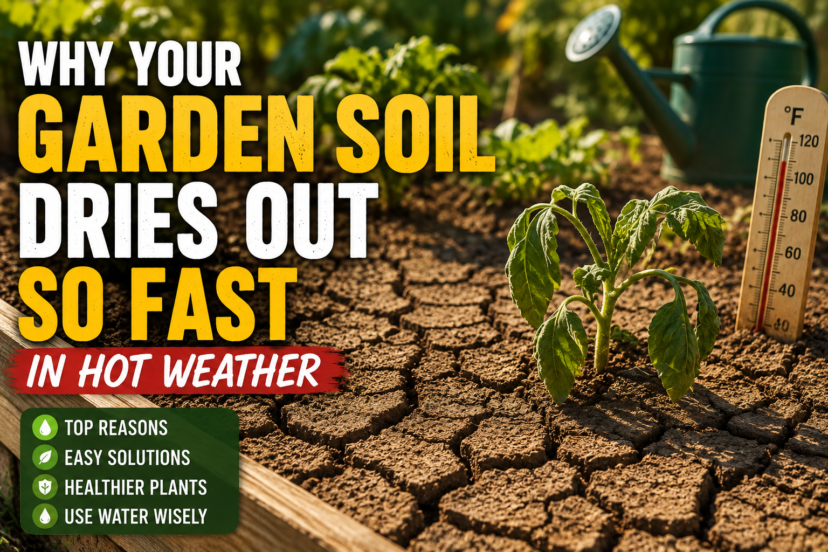
When summer temperatures climb, keeping a garden properly watered can start feeling like a full-time job. You soak the soil in the morning, only to find it dry and dusty again by late afternoon. If your garden soil dries out too fast, the problem may not simply be hot weather. Soil type, direct sun, wind, shallow watering, low organic matter, and even the way your garden beds are designed can all cause moisture to disappear faster than expected.
Fortunately, you usually don’t need an expensive irrigation system or a complete garden makeover to solve the problem. A few practical changes can help soil capture water, hold it longer, and deliver moisture more consistently to plant roots.
That means healthier plants, fewer stressful watering sessions, and potentially less wasted water. Once you understand where the moisture is going, you can create a smarter garden that handles hot weather with much less effort.
☀️ Quick Answer: Why Garden Soil Dries Out Too Fast
If your garden soil dries out too fast, the most common causes are sandy or low-organic-matter soil, intense sunlight, high temperatures, wind, shallow watering, and a lack of mulch. Start by checking moisture a few inches below the surface rather than judging the garden by dry-looking topsoil alone. Adding compost, applying 2–3 inches of appropriate organic mulch, and watering deeply at the right intervals can help the root zone stay moist longer.
Key Takeaways
- Most likely cause: Hot sun combined with poor moisture retention, insufficient mulch, sandy soil, or shallow watering.
- Usually serious? Not usually, but repeated drought stress can weaken plants and reduce flowering, fruiting, and overall growth.
- First thing to check: Test the soil moisture several inches below the surface before assuming the entire root zone is dry.
- Best solution: If your garden soil dries out too fast, improve the soil with organic matter, add mulch, and adjust your watering method so moisture reaches deeper roots.
🌱 Why Garden Soil Dries Out So Quickly In Hot Weather
Water can leave garden soil in several ways.
Some evaporates directly from the soil surface. Plants also absorb water through their roots and release moisture through their leaves in a process called transpiration. Hot, sunny, dry, and windy conditions can increase these losses.
The soil itself makes a major difference.
Sandy soils contain relatively large particles and drain quickly, while soils with more organic matter generally have a better ability to hold moisture while still providing air around plant roots.
Your garden may therefore dry faster because of a combination of weather, soil structure, plant demand, and watering habits.
Understanding those factors is much more useful than simply turning on the hose more often.
🔍 10 Reasons Your Garden Soil Dries Out Too Fast
1. Your Soil Is Too Sandy
Sandy soil can be easy to work with, but water moves through it quickly.
If you water thoroughly and the bed seems dry again surprisingly soon, sandy soil may be part of the problem.
How To Check: Grab a handful of slightly moist soil. Very sandy soil often feels gritty and falls apart easily rather than holding together.
Smart Fix: Work finished compost or other suitable organic matter into planting areas over time. Organic material can improve the soil’s ability to retain both moisture and nutrients.
Avoid trying to transform the soil in one huge application. Gradual improvement is usually easier and better for long-term soil health.
2. There Isn’t Enough Organic Matter
Healthy garden soil is more than mineral particles. Organic matter helps support soil structure, microorganisms, nutrient availability, and water retention.
Beds that have been cultivated for years without regular additions of compost may gradually become less effective at managing moisture.
Adding finished compost is one of the simplest ways to improve a vegetable or flower garden.
Top-dressing established beds with compost can also provide benefits without requiring you to dig deeply around plant roots.
3. The Soil Is Bare
Bare soil is exposed directly to sunlight and moving air.
During a hot U.S. summer, an uncovered garden bed can heat up quickly, increasing evaporation from the surface.
Mulch acts like a protective blanket.
Useful organic mulch materials include:
- Shredded Leaves: Affordable if you have deciduous trees.
- Wood Chips: Useful around shrubs, trees, and perennial beds.
- Straw: Often practical in vegetable gardens.
- Shredded Bark: Attractive for ornamental landscaping.
- Pine Straw: Commonly used in parts of the Southeast.
Keep mulch slightly away from plant stems and tree trunks instead of piling it directly against them.
4. You’re Watering Too Shallowly
Frequent light watering can wet only the upper layer of soil.
That moisture may evaporate quickly, especially on a sunny afternoon. It can also encourage some plants to concentrate roots closer to the surface instead of accessing deeper moisture.
When appropriate for the plant and soil type, slower, deeper irrigation helps moisture penetrate farther into the root zone.
Use a hand trowel or soil probe after watering to see how deeply the water actually traveled.
5. You’re Watering At The Hottest Time Of Day
Plants can certainly need water during hot weather, but routine irrigation is generally more efficient when evaporation is lower.
Early morning is often a practical time to water garden beds. Temperatures are cooler, winds may be calmer, and plants have moisture available as the day heats up.
The important exception is a plant showing severe heat or drought stress. Don’t leave a plant dangerously dry simply because it isn’t your normal watering time.
6. Your Garden Gets Intense Afternoon Sun
A south- or west-facing garden can receive intense afternoon heat.
This is especially noticeable around walls, fences, patios, gravel, and other surfaces that absorb and radiate heat.
If your garden soil dries out too fast in one section but stays moist elsewhere, compare the amount and timing of sunlight each bed receives.
Heat-sensitive plants may perform better with some afternoon shade. Depending on the garden, strategically placed taller plants or shade cloth can reduce heat stress without making the area permanently dark.
7. Wind Is Pulling Moisture Away
Wind can accelerate moisture loss from both soil and plants.
This is often overlooked in open suburban yards, elevated properties, exposed vegetable gardens, and gardens near wide open spaces.
A windbreak can help.
Fences, shrubs, hedges, trellises, and other landscape features can reduce direct wind exposure, although they should be positioned carefully so they don’t create unwanted shade or block airflow completely.
8. Your Raised Beds Drain Very Quickly
Raised beds are popular because they offer good drainage and convenient access, but those same qualities can make them dry faster than surrounding in-ground soil.
Beds with loose, well-draining mixes may need closer moisture monitoring during hot weather.
Improve raised beds by adding quality compost when appropriate and keeping the surface mulched.
A drip or soaker irrigation system can also make watering more consistent without requiring you to stand outside with a hose every day.
9. Plants Are Competing For Water
A lush garden may consume much more water than a newly planted bed.
Large vegetables, flowering plants, shrubs, and nearby tree roots can all compete for available moisture.
Tree roots are particularly easy to overlook because they may extend well beyond the visible canopy.
If one garden bed repeatedly dries much faster than similar beds, consider what is growing around it as well as what is planted inside it.
10. Your Irrigation Isn’t Reaching The Root Zone
Sometimes homeowners are watering regularly, but the water isn’t going where they think.
Sprinklers may hit leaves and pathways while missing sections of soil. Drip emitters can clog, move out of position, or provide insufficient coverage as plants grow.
Test your irrigation instead of assuming it works.
Check several areas after a normal watering cycle. Dig carefully into the soil and see how far moisture has penetrated.
You may discover that the solution is not more water—it’s distributing the existing water more effectively.
💧 How To Keep Garden Soil Moist Longer
When garden soil dries out too fast, resist the temptation to solve everything by watering more frequently. Improving moisture retention is usually the smarter long-term approach.
Start with these practical steps:
- Check Moisture Below the Surface: Dry topsoil doesn’t always mean the root zone is dry.
- Add Finished Compost: Improve soil structure and moisture-holding ability over time.
- Apply Mulch: A roughly 2–3-inch layer works well in many garden situations, though the right depth depends on the material and plants.
- Water the Root Zone: Direct water toward the soil instead of spraying unnecessary areas.
- Water Slowly: Give moisture time to soak in rather than running across the surface.
- Check Your Irrigation: Look for clogged emitters, poor sprinkler coverage, or leaks.
- Adapt To The Weather: Plants may need different watering schedules during extreme heat, rain, or cooler periods.
These changes can reduce the amount of time you spend constantly chasing dry soil.
🕒 How Often Should You Water In Hot Weather?
There is no universal schedule that works for every garden.
Water requirements depend on:
- Soil type
- Plant species
- Plant maturity
- Temperature
- Rainfall
- Humidity
- Wind
- Sun exposure
- Mulch
- Root depth
Instead of automatically watering every day, check the soil.
Push your finger into smaller beds or use a trowel to inspect moisture a few inches down. For larger gardens, an inexpensive soil moisture meter can provide additional information, although physical inspection is still useful.
New plants and seedlings generally require closer monitoring because their roots are less established.
♻️ Use Water More Efficiently
A smarter garden doesn’t necessarily use the least possible water. It uses water where plants can actually benefit from it.
Drip irrigation and soaker hoses can reduce unnecessary watering of pathways and other non-planted surfaces. Mulch can slow surface evaporation, while compost can improve soil quality.
Grouping plants with similar moisture requirements can also make irrigation easier.
For example, drought-tolerant herbs and moisture-loving vegetables may not belong on exactly the same watering schedule.
The goal is to create a garden that works with your climate rather than requiring constant correction.
🌡️ Don’t Confuse Dry Surface Soil With A Dry Garden
This mistake can lead to overwatering.
On a hot day, the top half-inch of soil can become dry while deeper soil remains adequately moist.
Before watering, inspect below the surface.
If the root zone still feels cool and moist, immediate irrigation may not be necessary. If the soil is dry several inches down and plants are showing signs of water stress, watering is more likely to be appropriate.
This simple habit can save water and help prevent constantly saturated root zones.
👷 When To Consult A Professional
Consider contacting a landscaper, irrigation specialist, or local Cooperative Extension resource if your garden repeatedly dries despite proper watering and mulching, plants continually struggle, or you suspect significant soil or irrigation problems.
Professional soil testing may be useful when you’re dealing with poor plant growth, unusual soil conditions, drainage problems, or uncertainty about amendments.
An irrigation professional can also evaluate larger drip or sprinkler systems for pressure, coverage, leaks, and inefficient zones.
❓ Frequently Asked Questions
Why Does My Garden Soil Dry Out So Quickly?
The most common reasons include sandy soil, low organic matter, exposed soil, strong sun, wind, high temperatures, shallow watering, and rapidly draining raised beds. Check moisture below the surface before changing your watering schedule.
How Do I Stop My Garden Soil From Drying Out?
Add organic matter where appropriate, cover the soil with mulch, water deeply enough to reach the root zone, and reduce unnecessary evaporation. Drip irrigation can also improve water delivery.
What Can I Add To Soil To Help It Hold Water?
Finished compost and other appropriate organic matter can improve many garden soils over time. Organic mulch applied to the surface can also reduce evaporation.
Should I Water My Garden Every Day In Hot Weather?
Not necessarily. Water according to soil moisture, plant needs, weather, and soil type rather than automatically following a daily schedule. Seedlings and containers may require more frequent attention than established in-ground plants.
How Deep Should Mulch Be To Keep Soil Moist?
Around 2–3 inches of organic mulch is useful in many garden beds, although the ideal amount varies by mulch type and plants. Avoid piling mulch against stems or tree trunks.
Why Does My Raised Garden Bed Dry Out So Fast?
Raised beds often drain and warm more quickly than surrounding ground. Loose soil mixes, strong sunlight, wind, and limited soil volume can increase moisture loss. Compost, mulch, and efficient irrigation can help.
Does Compost Help Soil Retain Water?
Yes. Organic matter from finished compost can improve soil structure and water-holding characteristics, especially when incorporated as part of long-term soil management.
🌿 Final Thoughts On Garden Soil Dries Out Too Fast
If your garden soil dries out too fast, you don’t necessarily need to spend every summer watering more and more.
The smarter solution is to help the garden use the water it already receives more effectively.
Start by checking the soil below the surface. Add organic matter where needed, protect exposed ground with mulch, make sure irrigation reaches the root zone, and pay attention to sun and wind.
Small improvements can add up quickly. Better soil can hold moisture longer. Mulch can reduce evaporation. More efficient irrigation can reduce wasted water and save you time.
You don’t need to become a soil scientist or install an expensive landscaping system. By improving one problem at a time, you can create a healthier, more resilient garden that is easier and less expensive to maintain—even when summer temperatures climb.
That’s better yard living: fewer chores, less wasted water, and more time to actually enjoy the outdoor space you’ve worked hard to create.
Disclaimer: This article provides general gardening and landscaping information. Soil conditions, plant requirements, drought restrictions, and watering regulations vary by region. Follow local water rules and manufacturer instructions, and consult a qualified landscaping or irrigation professional when necessary.
 Explore more:
- Best Solar Backyard Lights That Last All Night
- Best Outdoor Fans For Covered Patio
- Low Maintenance Backyard Ideas



Comments are closed.